Starting a fitness challenge can be exciting. Whether the goal is to become stronger, improve endurance, increase flexibility, or simply build healthier habits, the first few days often feel full of energy and enthusiasm. However, as time passes, staying motivated can become more difficult. Busy schedules, unexpected setbacks, and everyday responsibilities may make it tempting to skip workouts or lose focus.
The good news is that motivation does not have to depend on excitement alone. Lasting success comes from building consistent habits, maintaining a positive mindset, and remembering why the journey began. Every fitness challenge is an opportunity to learn more about yourself while creating routines that support long-term health and well-being.
One of the best ways to stay motivated is to set realistic expectations from the beginning. While it is natural to hope for quick improvements, meaningful progress often takes time. Instead of expecting dramatic changes overnight, focus on small improvements that can be achieved consistently. Every completed workout, every healthy decision, and every step forward contributes to lasting success.
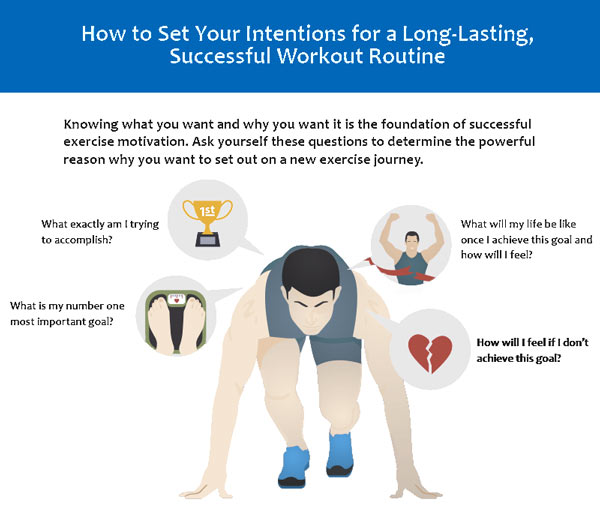
Having a clear purpose can also make a significant difference. Take a moment to think about why you decided to begin the fitness challenge. Your reason might be to have more energy, improve overall health, reduce stress, keep up with your family, or simply feel stronger in daily life. Keeping this purpose in mind provides motivation during moments when enthusiasm naturally fades.
Breaking large goals into smaller milestones makes the journey feel more manageable. Rather than focusing only on the final outcome, celebrate smaller achievements along the way. Completing a week of planned workouts, increasing the number of repetitions during an exercise, walking a little farther, or staying consistent with daily movement are all meaningful victories. Recognizing progress helps maintain confidence and encourages continued effort.
Creating a routine is another powerful strategy for staying motivated. Scheduling workouts at the same time each day helps fitness become part of daily life rather than an occasional activity. Consistency reduces the need to rely on willpower because exercise gradually becomes a normal habit. Even on busy days, setting aside a short period for movement can help maintain momentum.
Flexibility is equally important. Life rarely follows a perfect schedule, and unexpected events may interrupt workout plans. Missing one session does not mean the challenge has failed. Instead of feeling discouraged, simply return to the routine the next day. Viewing setbacks as temporary rather than permanent helps maintain motivation throughout the challenge.
Choosing activities you genuinely enjoy can make fitness feel rewarding instead of stressful. Some people enjoy brisk walking through a local park, while others prefer dancing, cycling, swimming, strength training, yoga, or group fitness classes. Enjoyable activities are easier to maintain because they become something to look forward to rather than something to avoid.
Variety also keeps workouts interesting. Repeating the same exercises every day may eventually become boring. Mixing different types of activities helps prevent mental fatigue while allowing different muscle groups to stay active. For example, one day might include strength exercises, another could focus on flexibility, and another could involve outdoor walking or cycling. This variety keeps both the body and mind engaged.
Tracking progress can provide valuable encouragement throughout a fitness challenge. Keeping a simple journal or calendar allows you to record completed workouts, note improvements, and reflect on how you feel after exercising. Looking back after several weeks often reveals progress that may not be noticeable from day to day. Seeing consistent effort documented can provide motivation to continue.
Positive self-talk plays an important role in maintaining motivation. Instead of focusing on what feels difficult, remind yourself of what you have already accomplished. Replace thoughts like “I can’t do this” with “I’m improving every week” or “Every workout helps me become healthier.” Encouraging inner dialogue supports confidence and reduces unnecessary frustration.
Surrounding yourself with supportive people can make the fitness journey more enjoyable. Friends, family members, or workout partners can provide encouragement, celebrate achievements, and help maintain accountability. Even sharing progress with someone who supports your goals can make the experience feel more rewarding.
Technology can also provide motivation when used wisely. Fitness apps, activity trackers, or workout videos may help monitor progress and introduce new exercises. These tools can provide reminders, track consistency, and make it easier to stay organized throughout the challenge. However, it is important to remember that these tools are simply aids. Personal progress matters far more than comparing numbers with others.
Comparing yourself to others can quickly reduce motivation. Every person has different starting points, experiences, schedules, and physical abilities. Focusing on someone else’s progress may create unrealistic expectations. Instead, measure success by your own improvement. Becoming slightly stronger, moving more comfortably, or maintaining consistency are meaningful achievements regardless of anyone else’s journey.
Rest and recovery are often overlooked but are essential parts of any fitness challenge. Muscles need time to recover after exercise, and the body performs better when it receives enough rest. Quality sleep, balanced nutrition, proper hydration, and recovery days all contribute to improved performance and sustained motivation. Taking care of your body supports both physical and mental well-being.
Celebrating achievements along the way helps reinforce positive habits. Rewards do not need to involve food or expensive purchases. Treat yourself to a relaxing evening, a new workout outfit, a favorite book, or another enjoyable activity after reaching a milestone. Recognizing accomplishments makes the journey feel rewarding and encourages continued consistency.
It is also helpful to remember that motivation naturally changes over time. Some days you may feel excited to exercise, while other days may require extra determination. This is completely normal. Successful fitness journeys rely more on commitment than on constant motivation. Showing up even when enthusiasm is low builds discipline that lasts far beyond the challenge itself.
Keeping workouts enjoyable prevents fitness from feeling like a chore. Listening to music, exercising outdoors, inviting a friend to join, or exploring new workout styles can make each session more engaging. Finding simple ways to enjoy movement encourages long-term consistency and helps maintain a positive attitude.
Practicing patience is another important part of staying motivated. Healthy progress often occurs gradually. Small improvements in strength, endurance, flexibility, or daily energy add up over weeks and months. Appreciating these steady gains helps reduce frustration and encourages a long-term perspective.
Reflecting regularly on personal achievements can strengthen motivation. At the end of each week, think about what went well and what challenges were overcome. Perhaps you stayed active despite a busy schedule, completed every planned workout, or simply remained committed after facing obstacles. Recognizing these successes builds confidence for the weeks ahead.
Fitness challenges also provide opportunities to develop resilience. Every obstacle overcome strengthens not only the body but also mental determination. Learning to stay consistent despite distractions builds habits that extend into many other areas of life, including work, family responsibilities, and personal growth.
Maintaining a balanced perspective helps ensure that fitness remains enjoyable. The goal is not perfection but consistent effort over time. Some workouts will feel easier than others, and some weeks will be more productive than others. What matters most is continuing to move forward without becoming discouraged by temporary setbacks.
In the end, staying motivated during fitness challenges is about creating habits that support lasting health rather than chasing quick results. Clear goals, enjoyable activities, realistic expectations, supportive relationships, regular progress tracking, and a positive mindset all contribute to long-term success. Every step taken, no matter how small, represents progress toward a healthier and more active lifestyle. By focusing on consistency instead of perfection, anyone can successfully complete a fitness challenge while building confidence, strength, and healthy routines that continue long after the challenge has ended.