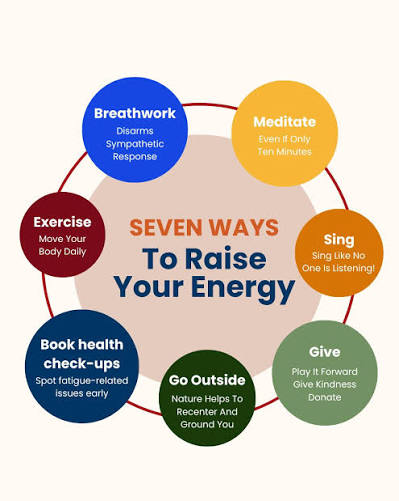
Feeling energetic throughout the day is something many people strive for, yet busy schedules, long work hours, and daily responsibilities can sometimes leave us feeling tired. While it may be tempting to rely on extra cups of coffee or sugary snacks for a quick boost, lasting energy is usually the result of healthy habits practiced consistently over time. Small lifestyle changes can make a noticeable difference in how you feel, helping you stay focused, productive, and ready to enjoy everyday activities.
Energy is influenced by many factors, including nutrition, physical activity, sleep, hydration, and stress management. When these areas are balanced, the body functions more efficiently, making it easier to stay active and alert from morning until evening. The good news is that improving your energy does not require complicated routines. Instead, simple and sustainable habits often provide the greatest long-term benefits.
One of the most important habits for maintaining energy is getting enough quality sleep. Sleep is the body’s opportunity to recover, repair, and prepare for the next day. A consistent bedtime and wake-up schedule helps regulate your internal clock, making it easier to fall asleep and wake up feeling refreshed. Creating a relaxing evening routine by limiting screen time, reading a book, or listening to calming music can also support better rest and improve overall energy levels.
Starting the day with a balanced breakfast is another effective habit. After several hours without food overnight, the body benefits from replenishing its energy stores. A breakfast that includes whole grains, fruits, healthy fats, and protein can provide steady fuel for the morning. Instead of causing quick energy spikes followed by crashes, balanced meals help maintain stable energy throughout the day.
Eating regular meals is equally important. Skipping meals may leave you feeling sluggish or distracted as your body searches for fuel. Choosing balanced meals at consistent times supports steady energy and helps prevent extreme hunger later in the day. Healthy snacks such as fresh fruit, yogurt, nuts, or whole-grain crackers can also provide nourishment between meals when needed.
Hydration plays a significant role in maintaining energy. Even mild dehydration can contribute to feelings of tiredness and reduced concentration. Drinking water consistently throughout the day supports many essential body functions, including circulation and temperature regulation. Keeping a reusable water bottle nearby can serve as a helpful reminder to stay hydrated during work, school, or daily errands.
Regular physical activity may seem like it would use energy, but it often has the opposite effect. Exercise improves circulation, strengthens the heart, and supports the delivery of oxygen throughout the body. Whether it is a brisk walk, cycling, stretching, swimming, or a home workout, moving your body regularly can increase stamina and reduce feelings of fatigue over time.
You do not need lengthy workouts to experience these benefits. Even short periods of movement during the day can refresh both the body and mind. Standing up to stretch, taking a walk during a break, or practicing gentle exercises can help reduce stiffness and improve alertness. Consistency matters more than intensity when building habits that support lasting energy.
Managing stress is another valuable habit for maintaining energy. Ongoing stress can leave both the mind and body feeling exhausted. Finding healthy ways to relax allows you to recharge emotionally and physically. Deep breathing, meditation, journaling, spending time in nature, listening to music, or simply taking a few quiet moments each day can help reduce stress and restore a sense of balance.
Maintaining a positive mindset can also contribute to higher energy levels. While everyone experiences challenges, focusing on solutions rather than dwelling on setbacks often helps preserve mental energy. Practicing gratitude by reflecting on positive moments each day can encourage optimism and improve overall well-being.
Another helpful habit is limiting long periods of sitting. Many people spend hours working at desks or using electronic devices without taking breaks. Sitting for extended periods may contribute to stiffness and lower energy. Standing up, stretching, or walking for a few minutes every hour encourages better circulation and helps maintain focus throughout the day.
Choosing nutrient-rich foods supports the body’s ability to produce energy efficiently. Fruits, vegetables, whole grains, lean proteins, legumes, nuts, seeds, and healthy fats provide essential vitamins and minerals that support normal body functions. Eating a wide variety of colorful foods helps ensure that the body receives many of the nutrients it needs for sustained vitality.
Planning meals ahead of time can make healthy eating more convenient. Preparing ingredients in advance or keeping nutritious snacks readily available reduces the temptation to rely on less balanced options during busy days. Simple planning makes it easier to maintain consistent eating habits that support stable energy.
Spending time outdoors can also refresh both body and mind. Natural light helps regulate the body’s internal clock, while fresh air and gentle movement contribute to improved alertness. Even a short walk outside during the day can provide a welcome mental break and help restore energy.
Maintaining meaningful social connections is another often overlooked source of energy. Positive conversations with friends, family members, or colleagues can improve mood and reduce feelings of isolation. Sharing experiences, offering encouragement, and enjoying time together contribute to emotional well-being, which often influences physical energy as well.
Setting realistic daily goals helps prevent feeling overwhelmed. Trying to accomplish too much at once may lead to unnecessary stress and fatigue. Prioritizing important tasks and breaking larger projects into smaller steps creates a sense of progress while conserving mental energy. Celebrating completed tasks, no matter how small, can also provide motivation to continue moving forward.
Creating a healthy morning routine establishes a positive tone for the day. Waking up with enough time to eat breakfast, stretch, hydrate, and prepare without rushing can reduce stress and improve focus. Beginning the day calmly often leads to greater productivity and steadier energy throughout the hours ahead.
Likewise, an evening routine helps prepare the body for restful sleep. Dimming lights, reducing screen exposure, and choosing relaxing activities signal that it is time to unwind. Consistent bedtime habits support better sleep quality, which in turn contributes to greater daytime energy.
Listening to your body’s signals is an important part of maintaining wellness. Everyone experiences occasional tiredness, and recognizing when you need rest is just as valuable as staying active. Balancing work, exercise, relaxation, and sleep helps create a lifestyle that supports both productivity and recovery.
Learning new skills or exploring hobbies can also increase mental energy. Creative activities such as painting, gardening, reading, cooking, or learning a musical instrument stimulate the mind and provide enjoyable ways to relax. Engaging in fulfilling activities often leaves people feeling refreshed rather than drained.
Reducing unnecessary distractions can help preserve focus and prevent mental fatigue. Organizing your workspace, setting realistic schedules, and taking short breaks between demanding tasks create opportunities for better concentration. A balanced work rhythm often supports higher energy and improved performance.
Patience is essential when building healthy habits. Lasting improvements in energy rarely happen overnight. Small daily actions gradually add up, creating meaningful changes over weeks and months. Rather than seeking instant results, focus on making choices that are realistic and sustainable for your lifestyle.
Consistency is often more important than perfection. There will be busy days, unexpected interruptions, and moments when routines are difficult to follow. Instead of becoming discouraged, simply return to your healthy habits at the next opportunity. Every positive choice contributes to long-term well-being.
In the end, boosting your energy naturally comes from caring for your body and mind through simple, consistent habits. Prioritizing quality sleep, staying hydrated, eating balanced meals, moving regularly, managing stress, maintaining positive relationships, and allowing time for rest all work together to support lasting vitality. By making these healthy habits part of your daily routine, you can enjoy greater energy, improved focus, and a healthier lifestyle that helps you feel your best each day.