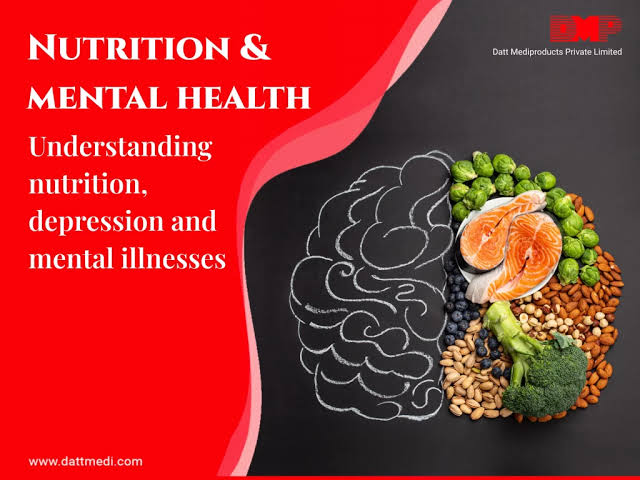
Mental health and nutrition are closely connected in ways that many people are only beginning to appreciate. While emotional well-being is influenced by a wide range of factors, including relationships, sleep, physical activity, and life experiences, the foods we eat also play an important role in supporting how our bodies and minds function. A balanced diet cannot solve every challenge, but nourishing the body with wholesome foods can contribute to better overall wellness and help create a strong foundation for a healthy lifestyle.
Every day, the brain works continuously to process information, manage emotions, support memory, and coordinate countless body functions. To perform these tasks effectively, it requires a steady supply of nutrients. Just as a vehicle performs better with quality fuel, the brain benefits from a variety of nutritious foods that provide vitamins, minerals, healthy fats, protein, and complex carbohydrates. Making thoughtful food choices can support energy levels, concentration, and overall mental well-being.
One of the most important aspects of nutrition is maintaining a balanced eating pattern. Eating a variety of foods helps ensure that the body receives the nutrients it needs to function properly. Fruits and vegetables provide vitamins, minerals, and antioxidants that support overall health. Whole grains offer lasting energy through complex carbohydrates, while lean proteins provide essential building blocks for the body’s tissues. Healthy fats found in foods such as nuts, seeds, avocados, and certain types of fish also contribute to normal brain function.
Skipping meals or relying heavily on highly processed foods may sometimes lead to changes in energy and concentration throughout the day. Eating balanced meals at regular intervals helps maintain steady energy levels, making it easier to stay focused and productive. Consistent eating habits can also reduce the likelihood of experiencing sudden hunger that may encourage less balanced food choices.
Breakfast is often considered an important meal because it provides fuel after a night’s rest. Starting the day with a nutritious meal that includes protein, whole grains, and fruit can help support concentration and provide steady energy during the morning hours. A balanced breakfast may also help establish healthy eating habits for the rest of the day.
Hydration is another essential part of supporting both physical and mental well-being. Water plays a role in many body functions, including circulation and temperature regulation. Staying hydrated may also help support focus and alertness throughout the day. Keeping a water bottle nearby and drinking water regularly can become an easy daily habit that benefits overall wellness.
Nutrition also works together with physical activity to support mental health. Regular movement encourages healthy circulation, supports energy levels, and contributes to emotional well-being. Pairing balanced meals with consistent physical activity creates a lifestyle that benefits both the body and the mind. Even simple activities such as walking, stretching, cycling, or dancing can complement healthy eating habits and encourage a positive daily routine.
Sleep is another important factor that connects nutrition and mental wellness. Eating balanced meals throughout the day and avoiding heavy meals immediately before bedtime may support a comfortable night’s rest for many people. Likewise, getting enough quality sleep helps the body regulate hunger and energy, making it easier to make thoughtful food choices during the day. Healthy eating and healthy sleep habits often reinforce one another.
Many people notice that their eating habits change during periods of stress. Some individuals may lose their appetite, while others may seek comfort in certain foods. Becoming aware of these patterns without self-criticism can help you make mindful choices. Rather than striving for perfection, aim for consistency and balance over time. Every meal offers a new opportunity to nourish your body.
Mindful eating is a helpful practice that encourages paying attention to meals without unnecessary distractions. Eating slowly, enjoying flavors, and recognizing hunger and fullness cues can improve the overall eating experience. This approach often encourages a healthier relationship with food while helping people appreciate their meals more fully.
Planning meals ahead of time can also reduce daily stress. Having nutritious ingredients available makes it easier to prepare balanced meals, even on busy days. Simple meal planning can save time, reduce last-minute decisions, and encourage healthier eating patterns. Preparing meals in advance or keeping healthy snacks nearby helps support consistency throughout the week.
Healthy snacks can play a valuable role in maintaining energy between meals. Fresh fruit, yogurt, nuts, seeds, vegetables with hummus, or whole-grain crackers are examples of satisfying options that provide nutrients while helping maintain steady energy. Choosing snacks that combine different food groups may help promote greater satisfaction until the next meal.
The social side of eating also contributes to emotional well-being. Sharing meals with family, friends, or coworkers provides opportunities for conversation and connection. These moments can strengthen relationships and create enjoyable routines that support overall wellness. Even simple family dinners or lunches with colleagues may contribute to a greater sense of belonging.
Building healthy eating habits does not require following strict rules or eliminating favorite foods. Instead, balance and flexibility often lead to greater long-term success. Enjoying treats occasionally as part of an overall balanced eating pattern allows healthy habits to feel realistic and sustainable. Focusing on variety rather than restriction helps create a positive approach to nutrition.
Stress management remains an important part of supporting mental health. Healthy eating works best when combined with other positive lifestyle habits. Taking time to relax, practicing deep breathing, enjoying hobbies, spending time outdoors, or connecting with loved ones all contribute to emotional balance. Nutrition becomes one piece of a broader wellness routine that supports both mind and body.
Positive daily routines also strengthen the connection between nutrition and mental well-being. Beginning the day with breakfast, drinking enough water, scheduling regular meals, and making time for physical activity provide structure that supports healthy habits. Consistent routines reduce the need for constant decision-making and make healthy choices feel more natural over time.
Learning about nutrition can increase confidence when making food choices. Understanding the benefits of different food groups encourages a more balanced approach to eating. Rather than focusing on individual foods as being perfect or imperfect, consider how your overall eating pattern supports your health. Small improvements practiced consistently often provide meaningful long-term benefits.
It is also important to recognize that every person’s nutritional needs are unique. Age, activity level, lifestyle, cultural traditions, and personal preferences all influence healthy eating patterns. Finding an approach that fits comfortably into your daily life is more valuable than trying to follow trends that may not be practical or enjoyable.
Patience is essential when building healthy habits. Positive changes often happen gradually rather than all at once. Choosing one or two realistic improvements, such as eating more vegetables, drinking more water, or preparing meals at home more often, can lead to lasting progress. These small steps become easier to maintain as they become part of your routine.
Self-kindness is another valuable part of maintaining both healthy eating habits and emotional well-being. Everyone experiences busy days, celebrations, vacations, and unexpected changes that may affect eating routines. Instead of becoming discouraged, simply return to your balanced habits at the next opportunity. Long-term consistency matters much more than occasional deviations from your routine.
Creating an environment that supports healthy choices can also make a difference. Keeping nutritious foods within easy reach, preparing meals ahead of time, and organizing your kitchen to encourage balanced eating can simplify daily decisions. Small changes in your surroundings often help reinforce positive habits without requiring extra effort.
Ultimately, the connection between mental health and nutrition reminds us that caring for the body and mind goes hand in hand. A balanced diet, regular hydration, consistent physical activity, quality sleep, stress management, and meaningful social connections all work together to support overall wellness. While nutrition is only one part of emotional health, it provides an important foundation that helps the brain and body function at their best.
By approaching nutrition with balance, flexibility, and mindfulness, you can create habits that support both physical vitality and emotional well-being. Every healthy choice, no matter how small, contributes to a lifestyle that encourages greater energy, improved focus, and a positive outlook. Over time, these consistent habits become valuable investments in both your mental wellness and your overall quality of life.